The five checks that matter
| Check | Ask this question | Why it matters |
|---|---|---|
| Flat chest width | What does the diagram measure? | Width and circumference are different |
| Shoulder and armhole | Dropped shoulder or fitted construction? | A roomy body can still restrict movement |
| Length | Where will the hem land on you? | Model height alone is insufficient |
| Fixed hem, hip or waist | Is the narrowest area measured? | A wide chest does not solve a tight hem |
| Stretch and returns | What can be verified before payment? | A guess may be expensive to undo |
A real one-size shirt can be very roomy
MOIA’s published small ST shirt in navy stripe is labelled one size and box fit. Its chart lists length 72 cm, chest width 69 cm, shoulders 54.5 cm and sleeves 53.5 cm; the model is 168 cm tall. The page was sold out when checked. We use its chart as an example, not an available-product recommendation.
A 69 cm flat chest width suggests approximately 138 cm around the garment if doubled by the same measuring method. That is not a recommended wearer’s bust limit. If your preferred shirt measures 54 cm flat, this example is 15 cm wider flat, around 30 cm more circumference. It may give the oversized effect you want, or far more volume than you expected. Measure rather than guessing from ONE SIZE.
Compare the silhouette as well as the numbers
Two hypothetical FREE tops could have chest widths of 49 cm and 60 cm, and lengths of 52 cm and 70 cm. These are illustrations, not retailer listings. The first could be short and closer-fitting; the second could be long and loose. The shared label says nothing about that difference.
For a cropped top, compare length from the same starting point and test where your own reference garment ends over the trousers you plan to wear. For a dropped-shoulder shirt, a shorter sleeve number may be partly offset by the shoulder position. Do not judge sleeve reach from one field without understanding the construction. Use the product diagram and a comparable garment together.
Stretch is not a substitute for measurements
A fabric’s fibre percentages do not specify a comfortable stretch range. An elastic waist also does not make the hip, thigh or rise adjustable. If only a relaxed waist width is listed, ask for the seller’s measuring method and a usable stretched measurement; do not assume the maximum pull is comfortable for a whole day.
Illustration: a waistband listed as 34–45 cm flat would be approximately 68–90 cm around by simple doubling. That is a garment measurement range, not a guarantee that every body within it fits. Sitting comfort, hip clearance and where the waist sits still matter. For a fitted skirt or trousers with incomplete measurements, skipping the purchase can be the better decision.
Ask a question the seller can actually answer
Instead of asking “Will this fit me?”, send the exact product and option and ask for missing dimensions by its chart method. Useful details include the un-stretched waist, hip width, armhole and fixed hem width. If a measurement is already provided, clarify whether it is flat or around rather than asking for the same number again.
You can write: “허리단면은 늘리지 않은 상태인가요?” — “Is the flat waist width measured without stretching?” Or “밑단 단면을 알 수 있을까요?” — “Could you tell me the flat hem width?” A seller’s opinion about fit is still an opinion; use the reply alongside your own garment measurements.
Check the return rule before accepting uncertainty
MUSINSA Global’s fit guidance currently excludes returns or refunds for a wrong size choice or simple remorse. It also notes that approximately one inch (2.54 cm) of measurement discrepancy can be normal variation rather than a defect. This is not a promise that a larger discrepancy automatically qualifies for a refund. Check the exact item terms before payment.
If a garment appears incorrectly measured or faulty, document the issue without wearing or altering it and follow the seller’s reporting procedure. A FREE label by itself is not evidence of a defect. For uncertain fit, prefer an in-person try-on where permitted or a listing with the measurements and applicable return terms you need.
Before you order
- Pick a similar reference garment and record its measurements.
- Confirm centimetres versus inches and flat width versus circumference.
- Check length, armholes, hips and the narrowest fixed opening.
- Ask about missing stretch measurements rather than inventing a range.
- Read the product’s return terms and save the chart.
- Skip the purchase if a crucial fit question remains unanswered.
Use a clear buy-or-skip decision
Buy when the important dimensions and measuring method are clear, the comparison supports the silhouette you want and you accept the applicable return terms. Ask first when a decisive opening or stretch measurement is missing. Skip when your decision depends on an unsupported “fits everyone” statement or a return option the seller does not offer.
An oversized top and an elastic-waist bottom are different fit problems. Give the closer-fitting item the stricter check. Saving an unanswered question for after delivery does not reduce the uncertainty; it only moves it to a stage when the purchase may be harder to undo.
Continue planning
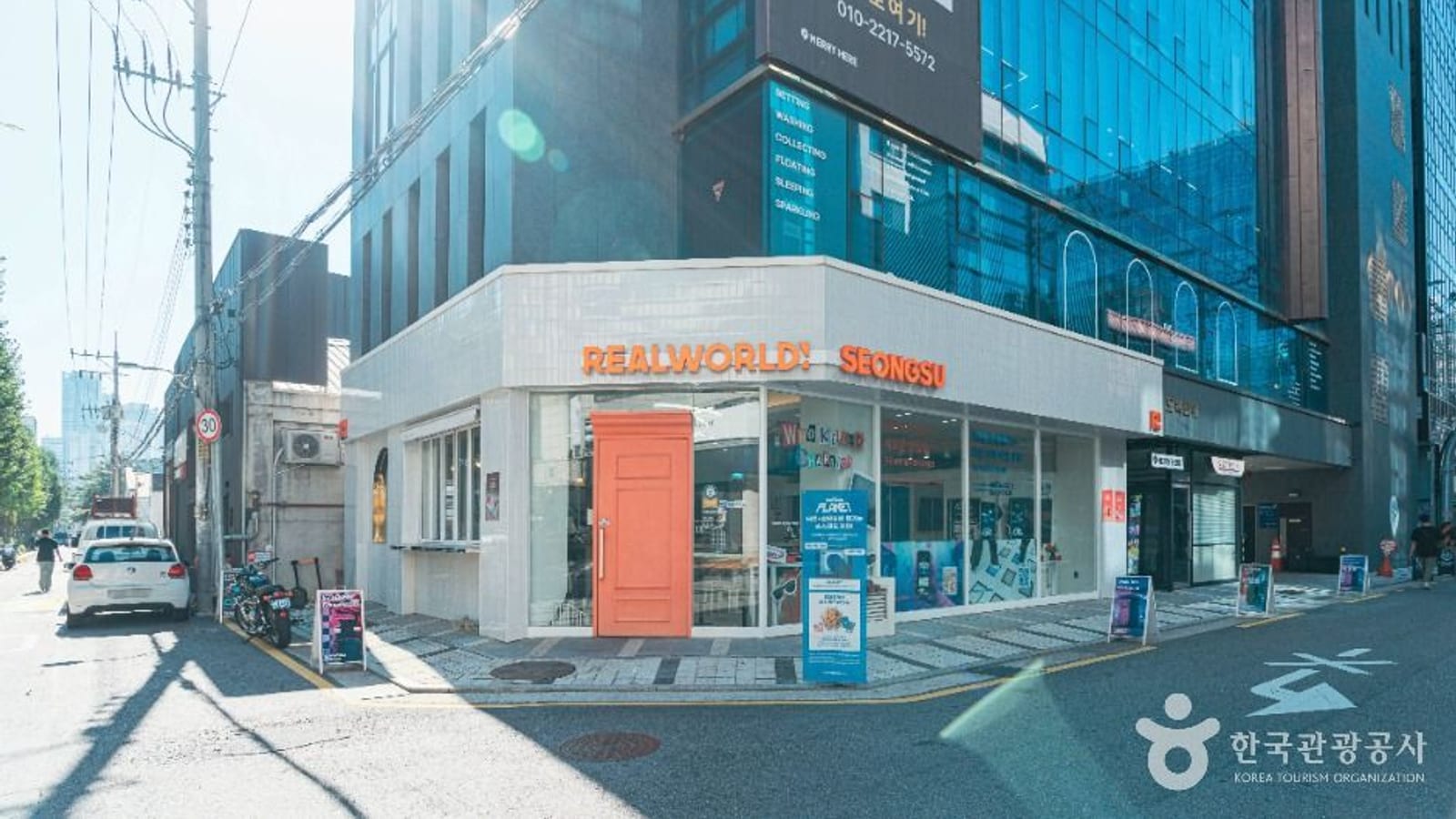
Read Korean clothing sizes explained for body and garment charts. Our Korean fashion online buying guide covers seller and delivery decisions. If you prefer browsing in person, use the Seongsu shopping route and check the actual stores you want to visit rather than assuming every stop permits try-ons.